The Growing Evidence
We've long sensed that being around plants feels good. Now science is catching up to confirm what plant lovers have always known: interacting with houseplants genuinely improves mental health.
A landmark study published in the Journal of Physiological Anthropology measured both psychological and physiological responses to plant interaction, providing concrete evidence that the benefits extend far beyond aesthetics.
What the Research Shows
Researchers at Chungnam National University in Korea conducted a controlled study comparing how people responded to two activities: transplanting a houseplant versus working on a computer. The results were striking.
Psychological Benefits
After working with plants, participants reported feeling:
- More comfortable and at ease
- More soothed and calm
- More natural and connected
These weren't just subjective impressions—the differences were statistically significant compared to how the same people felt after computer work.
Physiological Changes
The body tells the same story. During plant interaction:
- Sympathetic nervous system activity decreased—the "fight or flight" response quieted
- Diastolic blood pressure dropped significantly (from 71.75 to 65.26 mmHg on average)
- Heart rate variability improved, indicating reduced stress
In contrast, computer work activated the sympathetic nervous system, elevating stress markers.
The study used Peperomia dahlstedtii for the transplanting task—a common, easy-to-care-for houseplant. You don't need rare or exotic plants to experience these benefits.
Why Plants Help Us Feel Better
Several mechanisms explain the calming effect of plants:
Biophilia
Humans evolved surrounded by nature. The biophilia hypothesis suggests we have an innate need to connect with living things. Indoor plants satisfy this deep-seated drive, even in urban environments far removed from wilderness.
Active Engagement
The study specifically examined active interaction—touching soil, handling plants, engaging the senses. This hands-on engagement appears more beneficial than passive observation, though simply being around plants also helps.
Attention Restoration
Plants provide what researchers call "soft fascination"—gentle, non-demanding stimulation that allows the mind to rest and recover from the directed attention required by screens and mental work.
Sensory Experience
Working with plants engages multiple senses: the texture of leaves and soil, the earthy smell, the visual variety of green. This multisensory experience grounds us in the present moment.
Practical Applications
You don't need a greenhouse to benefit from plant therapy. Here's how to incorporate plants into your mental health routine:
Daily Interaction
Spend a few minutes each day tending to your plants. Check soil moisture, remove yellowed leaves, rotate pots toward light. These small rituals create moments of calm.
Hands-On Activities
The research specifically showed benefits from active tasks like:
- Repotting plants into fresh soil
- Propagating cuttings in water or soil
- Pruning and shaping growth
- Mixing soil blends
Keep a small propagation station on your desk. Trimming and rooting cuttings provides brief, stress-relieving breaks throughout the workday.
Create a Green Sanctuary
Designate a space in your home as a plant corner or shelf. Having a dedicated area creates a visual retreat—somewhere your eyes can rest when you need a mental break.
Start Small
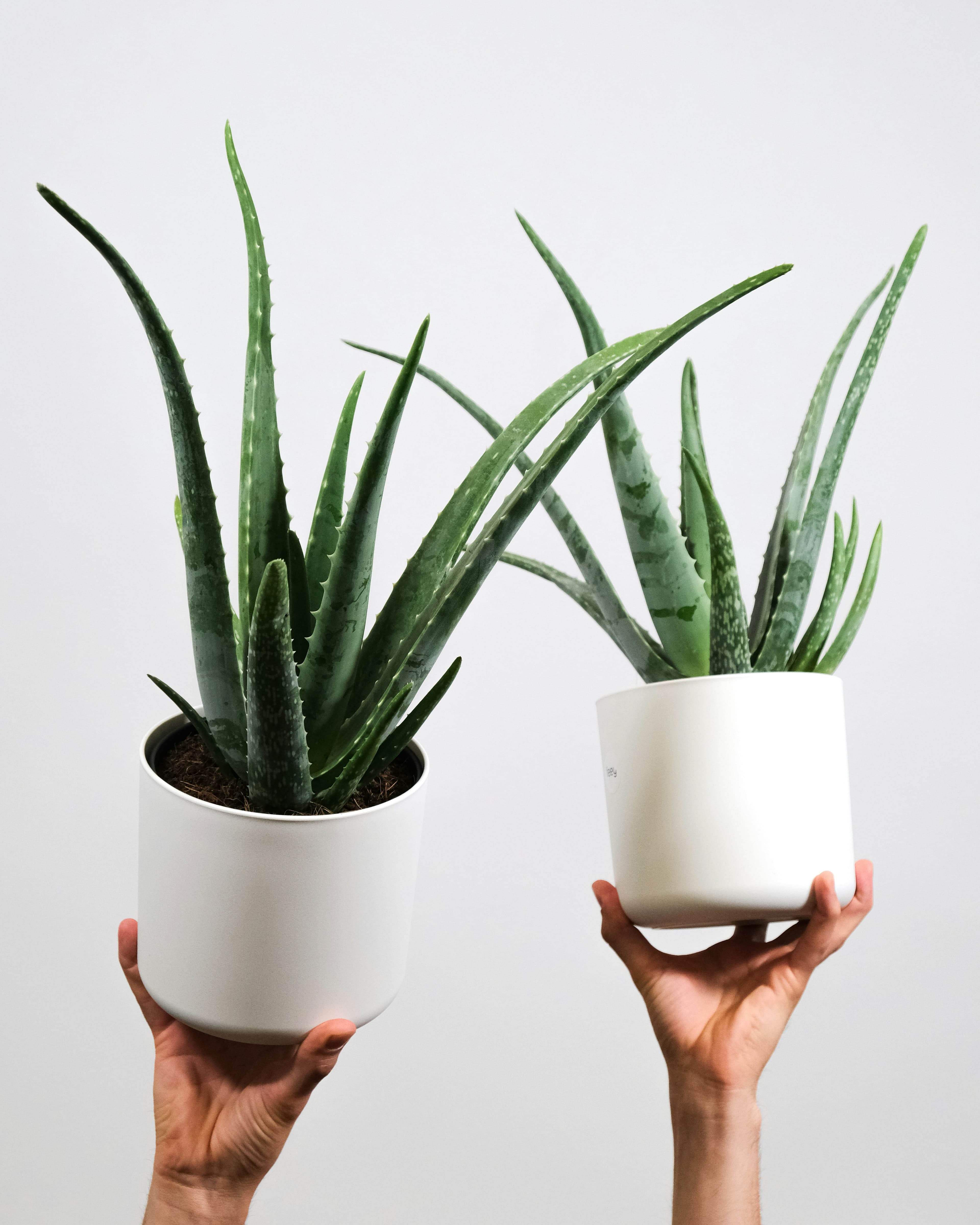
You don't need dozens of plants. Even a single pothos on your desk or a snake plant in the corner provides benefits. Quality of interaction matters more than quantity.
Best Plants for Stress Relief
While any plant can provide benefits, these are particularly suited for stress-reducing interaction:
Easy-Care Options
Low-maintenance plants reduce stress rather than add it:
- Pothos: Nearly impossible to kill, with satisfying trailing growth
- Snake plant: Thrives on neglect, sculptural presence
- ZZ plant: Tolerates low light and irregular watering
- Peperomia: Compact, diverse, and forgiving
Tactile Plants
Plants with interesting textures invite touch:
- Succulents: Smooth, fleshy leaves
- Ferns: Delicate, feathery fronds
- Pilea: Coin-shaped leaves with a satisfying feel
Fast Growers
Visible growth provides positive reinforcement:
- Pothos: Rapid vine growth, easy propagation
- Spider plant: Produces babies you can share
- Philodendron: Quick to respond to good care
Beyond Individual Benefits
Plants improve shared spaces too. Research on offices with plants shows:
- Reduced sick days among employees
- Improved productivity and focus
- Better air quality perception (whether or not plants significantly filter air, people feel the air is better)
- Enhanced creativity in problem-solving tasks
The Limitations
The research has some caveats worth noting:
- Most studies involve young, healthy participants
- Long-term effects need more investigation
- Individual responses vary—not everyone experiences the same degree of benefit
- Plants aren't a substitute for professional mental health treatment
If you're struggling with mental health, plants can be part of a wellness routine but shouldn't replace therapy or medical care when needed.
Getting Started
If you're new to plants, don't let the care requirements intimidate you. Start with one forgiving plant, give it a spot with adequate light, water when the soil dries out, and observe. The relationship builds from there.
The goal isn't perfection—a few yellow leaves won't undo the mental health benefits. What matters is the regular, gentle engagement with something living and growing.
The Bottom Line
The evidence is clear: interacting with houseplants reduces stress at both psychological and physiological levels. In a world of screens, notifications, and constant mental demands, plants offer something increasingly rare—a slow, quiet, living presence that asks little and gives much.
You don't need a green thumb to benefit. You just need a plant and a few minutes of attention.
Reference: Lee, M., Lee, J., Park, B., & Miyazaki, Y. (2015). Interaction with indoor plants may reduce psychological and physiological stress by suppressing autonomic nervous system activity in young adults: a randomized crossover study. Journal of Physiological Anthropology, 34(1), 21. PMC4419447