Gertrude Jekyll trained as an artist, and when failing eyesight forced her to abandon painting, she turned her artist's eye to the garden. The result revolutionized English garden design. She wrote over a dozen books and designed more than 400 gardens.
The Painterly Garden
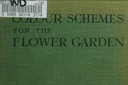
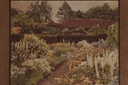
Jekyll approached planting like a painter approaches a canvas. She planned her borders for color progressions and seasonal interest, mixing flowers and foliage to create effects that felt natural but were carefully orchestrated. Her influence on the "cottage garden" aesthetic continues today. Colour Schemes for the Flower Garden (1908) remains the definitive work on this approach.
Her Books
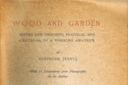
Wood and Garden (1899) is less a how-to manual and more a meditation on gardening. Jekyll takes readers through a year at her home, Munstead Wood, describing what's blooming, what needs doing, and why she makes the choices she does. The writing is personal and immediate—you feel you're walking beside her.
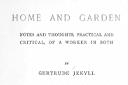
Home and Garden (1900) extends her vision beyond the garden to encompass the entire domestic sphere, while Lilies for English Gardens (1901) and Wall, Water and Woodland Gardens (1901) offer specialized guidance for particular plants and conditions.
Her Collaboration with Lutyens
Jekyll designed over 400 gardens, many in collaboration with architect Edwin Lutyens. Together they created the "Lutyens-Jekyll" style that defined Edwardian garden design. Gardens for Small Country Houses (1912), written with Lawrence Weaver, documents many of these designs with plans and photographs.